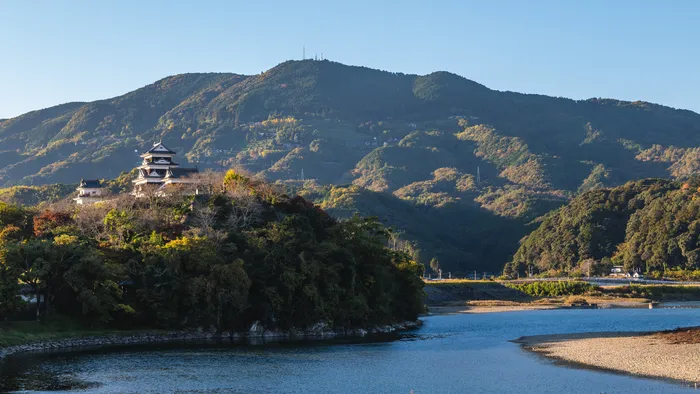


A Japan wellness DMC is what turns a bathing or retreat brief into a programme clients actually enjoy — briefing onsen etiquette properly before arrival rather than at the changing-room door, solving the tattoo rule that still excludes many Western guests from public baths, holding ryokan and private-bath allocation in a tiny inventory, matching spring chemistry and setting to what the client actually wants, and adding temple stays and forest bathing where they genuinely fit. Japan's bathing culture is the deepest wellness product in Asia and the one most easily ruined by an unbriefed arrival. This guide sets out what a Japan wellness DMC does and how Explera Japan handles onsen and retreat files.
日本疗愈DMC做什么
A Japan wellness DMC converts a wellness brief into contracted ryokan, private baths, treatments and guided experiences at net rates the agent marks up. The value sits in things an agent cannot resolve from a booking page: ryokan and private-bath allocation in properties with a dozen rooms, honest etiquette and tattoo briefing before departure, spring-type matching to the client's expectation, and realistic pacing, because a bathing itinerary that moves every night defeats its own purpose. This is the wellness layer of the ground handling in our Best Japan DMC guide, building directly on our onsen and ryokan FIT programmes.
最佳日本疗愈DMC:重要的标准
Four things separate a real wellness DMC from a hotel booker. First, etiquette briefing that actually lands — wash thoroughly before entering, no swimwear, small towel never in the water, hair tied up — issued in writing before departure, not explained at the door. Second, tattoo realism: many public baths still refuse tattooed guests outright, and a DMC either books tattoo-friendly properties, arranges private baths, or says clearly that a particular ryokan will not work. Third, allocation in properties where twelve rooms is a normal size and the good ones are held by regulars. Fourth, spring literacy — sulphur, iron, carbonated and simple alkaline springs feel and smell entirely different, and matching them to the client is the craft. An agent evaluating a wellness DMC should ask how they handle a tattooed client.
温泉:礼仪、纹身与私汤这个解法
This is where files succeed or embarrass. Japanese bathing is communal, naked and thoroughly washed beforehand — clients who learn this on arrival are uncomfortable, and clients briefed in advance are usually delighted. The tattoo rule is the harder problem: the association with organised crime means many establishments still exclude visible ink, and a client turned away at the entrance has had their trip damaged. The DMC's answers are concrete rather than apologetic — book a tattoo-friendly onsen, reserve a kashikiri private bath by the hour, or choose a room with its own open-air bath, which is the premium answer and the one most Western clients prefer anyway. Cover-up patches work at some properties and not others, and a DMC knows which. None of this is guesswork; it is asked and confirmed property by property before the booking is confirmed.
旅馆、寺院住宿与森林浴
The accommodation is the wellness product, not the container for it. A 日式旅馆 night runs to its own rhythm — arrival tea, bath before dinner, kaiseki served in-room or in a private dining room, futon laid while you eat — and clients who understand the shape of the evening enjoy it far more than those who expect hotel service. Shukubo temple lodging, particularly at Koyasan, adds shojin ryori vegetarian cuisine and optional morning prayers, and it suits a reflective client rather than a comfort-seeking one, which a DMC screens for honestly. Shinrin-yoku, forest bathing, is a genuine guided practice rather than a walk in the woods, and a certified guide makes the difference. Around these sit spa treatments, meditation sessions and increasingly structured retreat programmes, extending the property work in our temple stay and ryokan guide和luxury ryokan programmes.

地区、季节与行程节奏
Where and when matter as much as which property. Hakone and Izu are the accessible options from Tokyo and the right answer for a short add-on. Kusatsu and Gero are serious bathing towns for clients who want the culture rather than the convenience. Beppu and Yufuin in Kyushu offer the widest spring variety in the country. Noboribetsu in Hokkaido pairs dramatic volcanic scenery with strong sulphur springs, and the Jigokudani snow monkeys near Nagano are a genuine sight rather than a gimmick. On seasons: 冬季 is the classic, with outdoor bathing in falling snow, and it is also when access roads need planning; autumn pairs bathing with foliage and is the best all-round window. Crucially, a wellness itinerary should move less — two nights minimum per ryokan — because the product is rest, and a DMC will push back on an agent's over-packed routing rather than deliver it, applying the seasonal logic in our Hokkaido operation.

旅行社为何选择Explera作为其日本疗愈DMC
Explera Japan is an IATA TIDS-registered DMC (JATA membership in application) handling wellness and onsen files end to end: ryokan allocation across the classic and luxury tiers, tattoo policy confirmed property by property before booking, kashikiri private-bath and private-open-air-bath reservations, shukubo temple stays including Koyasan, certified forest-bathing guides, spring-type matching, written pre-departure etiquette briefs, dietary handling for shojin ryori and beyond, and a 24/7 operations desk, built on the accreditation set out in our Japan inbound DMC guide. Agents submit the brief and receive a costed wellness programme with the etiquette, the tattoo question and the allocation solved. The full portfolio sits on the Japan DMC for travel agents.
常见问题
什么是日本疗愈DMC?
A Japan wellness DMC is a licensed local operator that contracts ryokan, private baths, temple stays, treatments and guided practices at net rates for travel agents, and briefs clients on onsen etiquette and access rules before departure — the wellness layer of a Japan destination management company.
有纹身的客人可以泡日本温泉吗?
Often not in public baths, which still commonly exclude visible ink. The workable answers are a tattoo-friendly onsen, a kashikiri private bath booked by the hour, or a room with its own open-air bath. A DMC confirms the policy with each property before booking rather than hoping.
客人第一次泡温泉前需要知道什么?
That bathing is communal and naked, that you wash thoroughly at the taps before entering, that swimwear is not worn, and that the small towel never goes into the water. Briefed in advance this is fine; discovered at the changing-room door it is not, so a DMC issues it in writing pre-departure.
疗愈行程每个地点应该住几晚?
At least two per ryokan. The product is rest, and a one-night-per-stop routing spends the trip in transit and wastes the second bath, the morning garden and the unhurried breakfast that make the stay worth its rate. A DMC will push back on over-packed pacing.
For net rates and Japan wellness and onsen programme documentation, contact Explera Japan or the trade desk at b2b@explera.jp. Registered IATA agents (IATA 96215733) and licensed tour operators are welcome; WhatsApp enquiries are handled at +66 93 656 8090.