

A Korean cooking class is one of the easiest hands-on experiences to add to a group programme, and it also works as a meal. Our Korea team sets out the formats in its briefing on Korean cooking classes for groups. This note covers the agent's side: where a class earns its place in an itinerary, and what to ask for before you quote.
Why Agents Add a Class
- It replaces a meal. A class normally ends with the dishes guests have cooked, so it can stand in for lunch or dinner rather than adding a stop.
- It suits mixed groups. Cooking is a shared activity that does not depend on mobility or on fluent English, which helps with family, multigenerational and corporate groups.
- It has a story. Kimjang, the Korean tradition of making and sharing kimchi before winter, has been on UNESCO's Intangible Cultural Heritage list since 2013, so a kimchi class comes with a cultural reason as well as a recipe.
Formats to Offer
- Kimchi-making. The classic: guests salt, season and pack their own kimchi.
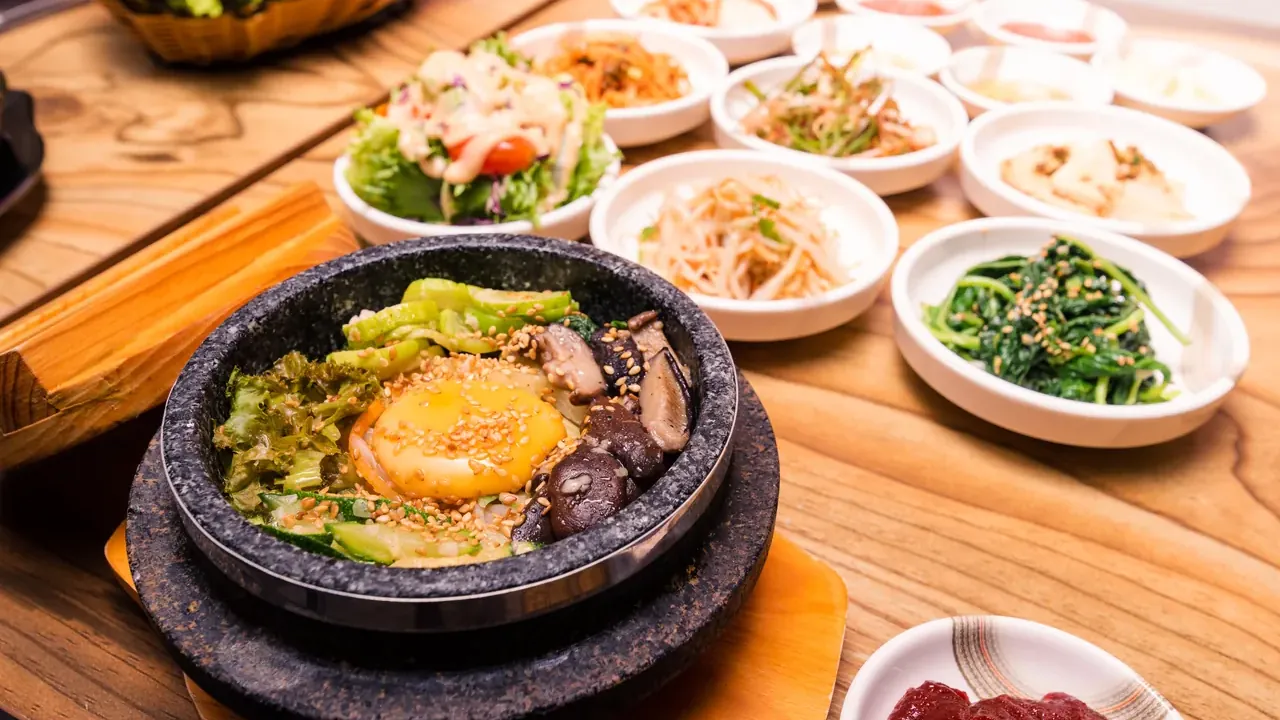
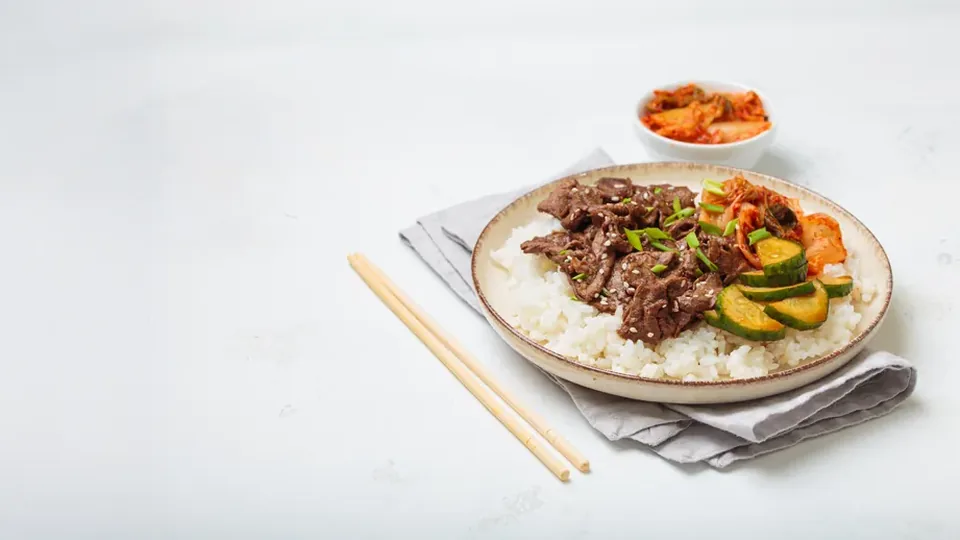
- Everyday dishes. Bibimbap, bulgogi, japchae, tteokbokki or pancakes, usually two or three dishes in a class.
- Market first. A guided walk through a traditional market before the class, for groups that like to see ingredients.
- Temple food. Plant-based Buddhist cooking, a calm choice for wellness and culture groups.
What to Settle Before You Quote
- Group size. Studios are small. A coach-sized group is normally split into rotations or two studios, so ask how the split will run and what the rest of the group does meanwhile.
- Timing. Allow roughly two to three hours including the meal, and remove a restaurant booking from that day.
- Language. Confirm an English-speaking instructor, or a guide interpreting at each table.
- Diets. Kimchi is usually made with fish sauce or salted shrimp, so vegetarian and vegan guests need a plant-based version arranged in advance. Halal needs certified ingredients, and seafood, sesame, soy and wheat are common allergens.

Taking Kimchi Home
Guests often want to bring their kimchi back. Studios pack it in sealed containers, but cabin liquid rules apply, so it travels in checked luggage, double-bagged, and some countries restrict food imports. Tell clients before departure so they check their own rules; it is a better conversation at booking than at the airport.
Why It Matters to the Agent
A class gives a Korea programme a participatory moment that photographs and sells well, and it is easy to price and adjust once the studio, group split and diets are fixed. It also gives repeat visitors something new in a city they have already seen.
Send your dates, group size and profile to b2b@expleradmc.com or WhatsApp +66 93 656 8090. Explera DMC is IATA TIDS-registered (96215733) and an ASTA member (900408341). Our KTO and KATA registrations are in application.
Frequently Asked Questions
Can a large group join one class?
Usually only in rotations or across two studios, because most studios are small. Ask for the split in writing.
How long does a Korean cooking class take?
Roughly two to three hours including the meal the guests cook, so it normally replaces a restaurant meal.
Can vegetarian, vegan or halal guests take part?
Yes, with notice. Kimchi normally contains fish sauce or salted shrimp, so a plant-based version is prepared on request, and halal needs certified ingredients.
Can guests take their kimchi home?
It is packed in sealed containers but should travel in checked luggage, double-bagged. Guests should check food-import rules at home.


