New Zealand Wildlife Seasons: Which Months Suit Which Group
24 October 2026 · Explera DMC · 3 min read
The short answer
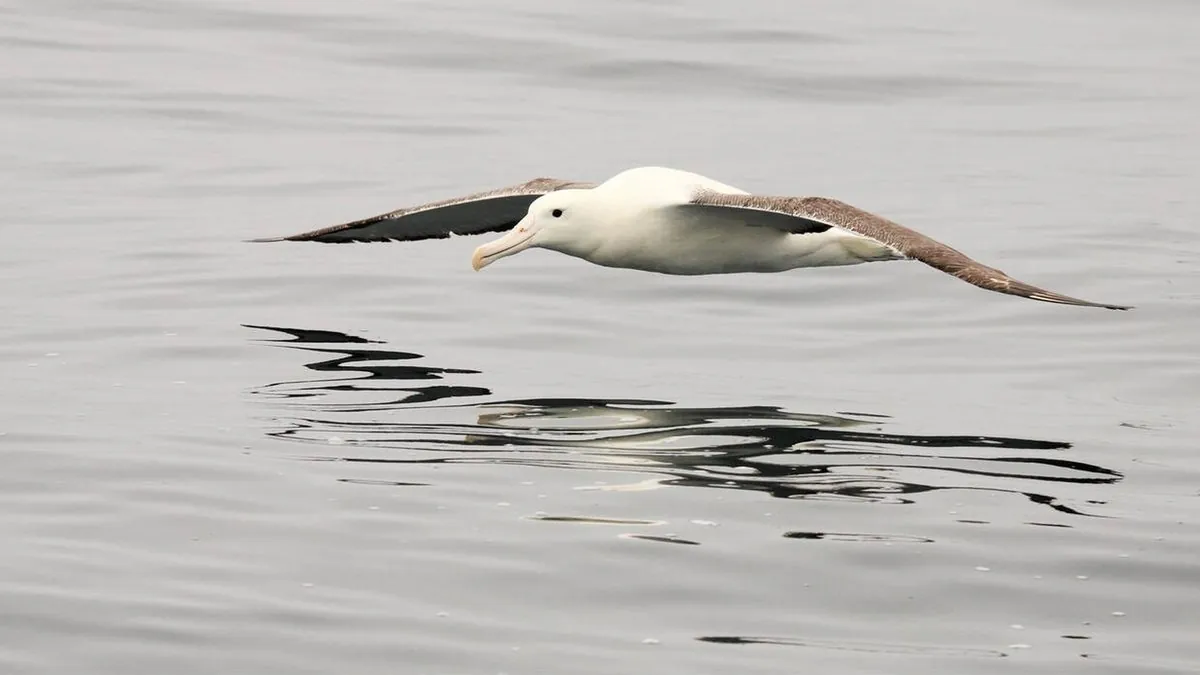
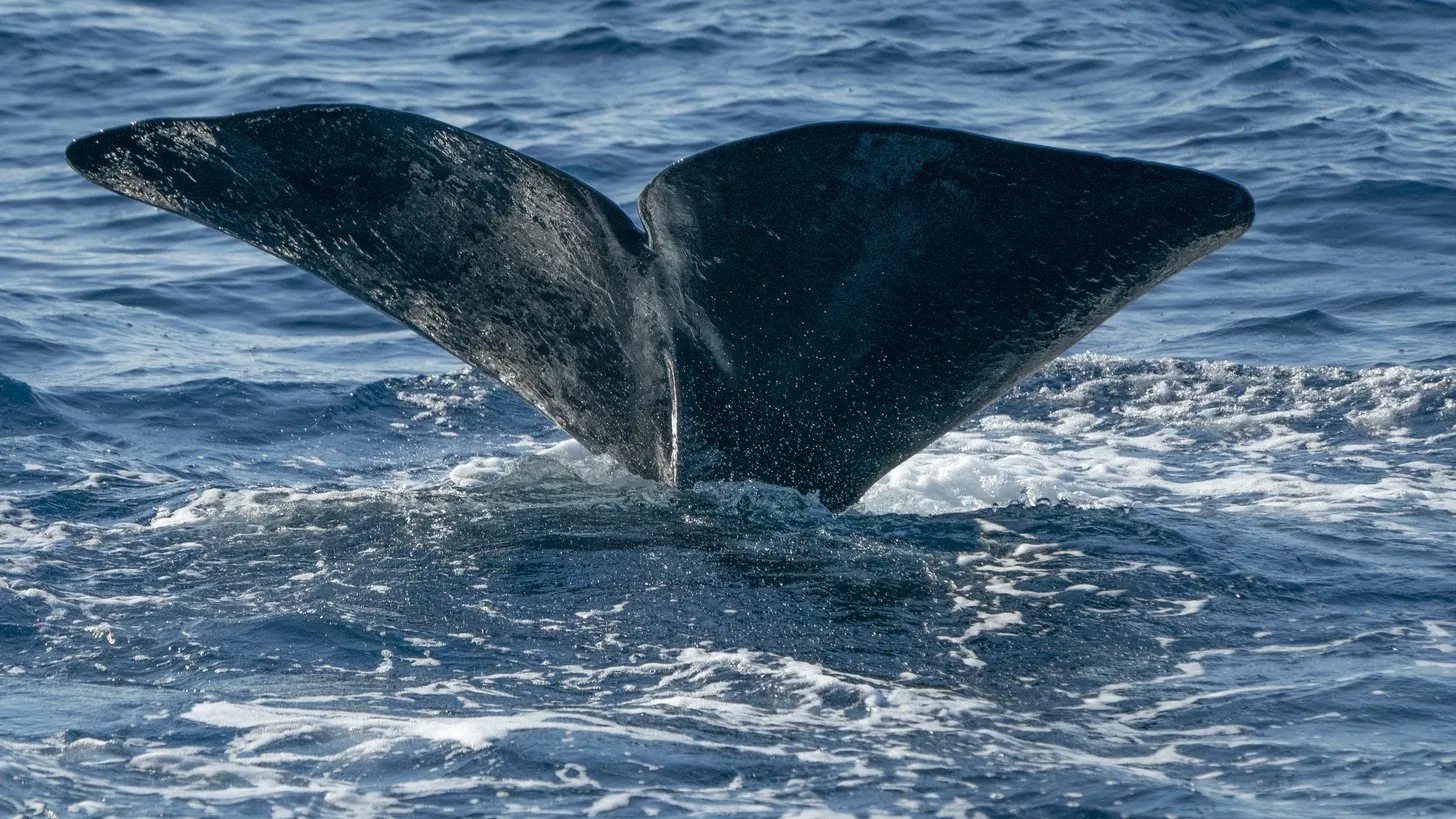
Some New Zealand wildlife is there all year, such as sperm whales off Kaikōura and little penguins at Ōamaru. The rest is seasonal: royal albatross return to Otago in September, gannets nest from spring, and humpbacks pass Kaikōura in winter. Explera DMC plans group dates around these seasons and around the sea.
Clients ask what they will see before they ask where they will sleep. Our New Zealand team has the full month-by-month version in its New Zealand wildlife calendar. This is the short guide to New Zealand wildlife seasons that we give agencies selling New Zealand with our other destinations, and one rule comes first: no sighting is guaranteed, and every boat depends on the sea.
What Can Groups See All Year?
Sperm whales off Kaikōura. They live off the coast all year, and whale-watch boats run year-round when the sea allows.
Dusky dolphins at Kaikōura. Dolphin Encounter runs trips all year: one a day in winter and three in summer.
Little penguins at Ōamaru. They come ashore after sunset, so the viewing time moves with the season.
Which New Zealand Wildlife Seasons Suit Which Group?
Spring, September to November. Royal albatross return to Taiaroa Head on the Otago Peninsula in September and lay in November. Gannets nest at Cape Kidnappers from about September.
Summer, December to February. Albatross chicks hatch from late January. The Tiritiri Matangi ferry near Auckland runs Wednesday to Sunday and can fill well ahead between November and April.
Autumn, March to May. The main wildlife boats move into their shoulder season, so trips are quieter.
Winter, June to August. Humpbacks and southern right whales are best seen off Kaikōura from May to July.
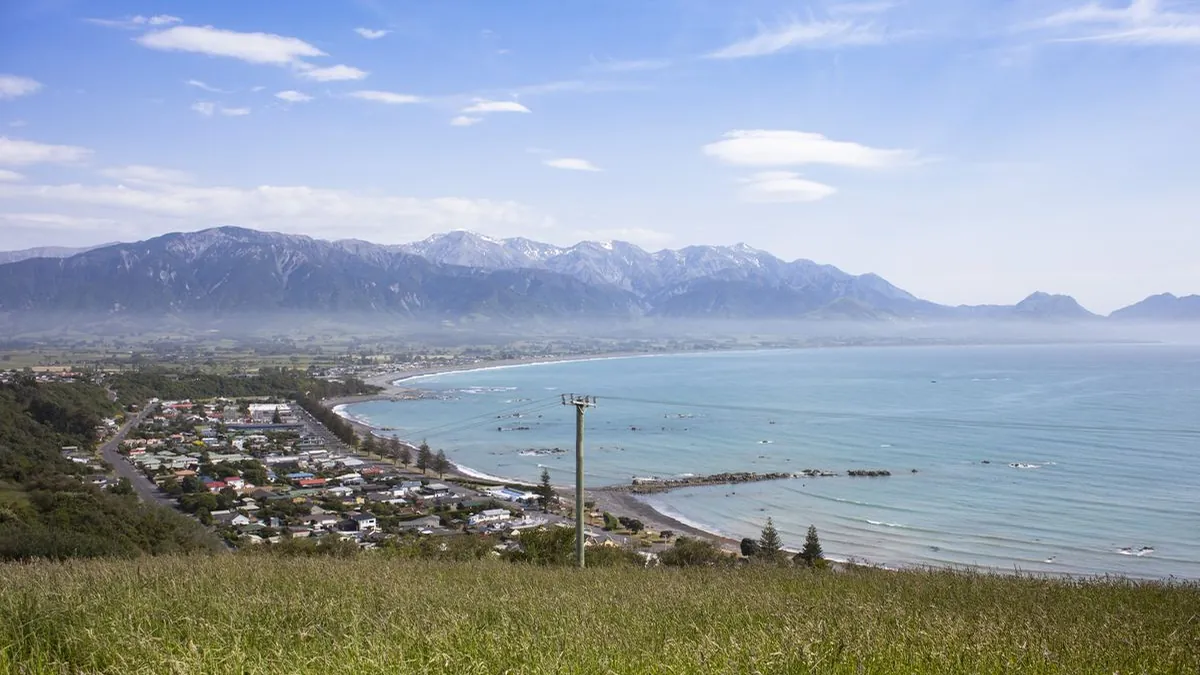
Kaikōura township and bay below the mountains
How Should Agents Plan Around the Sea?
Give the sea two chances. We book whale and dolphin boats on the first morning of a two-night stay, so a cancelled trip can move to the next day.
Check the access rules. DOC closes the beach track to the Cape Kidnappers colony from July until the week before Labour Weekend, so early-spring groups go by four-wheel-drive tour.
Sell viewing, not swimming, in the Bay of Islands. Swimming with dolphins there has been banned since 2019. At Kaikōura, Dolphin Encounter takes swimmers aged 8 and over.
Expect albatross numbers to change. Royal albatross pairs breed only every two years, so the count on the nest differs from season to season.