Japan Inbound Spending 2026: What Q3 Means for Group Space
25 October 2026 · Explera DMC · 3 min read
The short answer
Japan inbound spending in July–September 2026 was ¥2.2076 trillion, up 3.2% on a year earlier, by the Japan Tourism Agency's first estimate. Each visitor spent about ¥234,000, up 6.1%. Explera DMC reads this as a market that is still full: fewer Chinese visitors have not freed hotel space, so peak weeks still need early holds.
Some agents expected Japan to get easier to book this year. Chinese arrivals have fallen sharply, so the thinking went that hotels would loosen up. The Japan Tourism Agency's spending figures for July to September say otherwise. Our Japan team has the full breakdown in its note on the Q3 spending data. Here is what we take from it at the group desk.
What Did Japan Inbound Spending Look Like in Q3 2026?
¥2.2076 trillion in three months. That is 3.2% more than a year earlier. It is a first estimate, published on 21 October 2026, and the agency will revise it.
Each visitor spent more. About ¥234,000 per head, up 6.1%.
Taiwan spent the most. ¥381.8 billion, or 17.3% of the total, up 26.2%.
China fell to second. ¥358.3 billion, down 39.8%.
Korea grew fastest. ¥293.8 billion, up 45.8%. The United States and Hong Kong came fourth and fifth.
A record nine months. January to September reached ¥7.0574 trillion, up 1.9%, while arrivals were 2.9% lower.
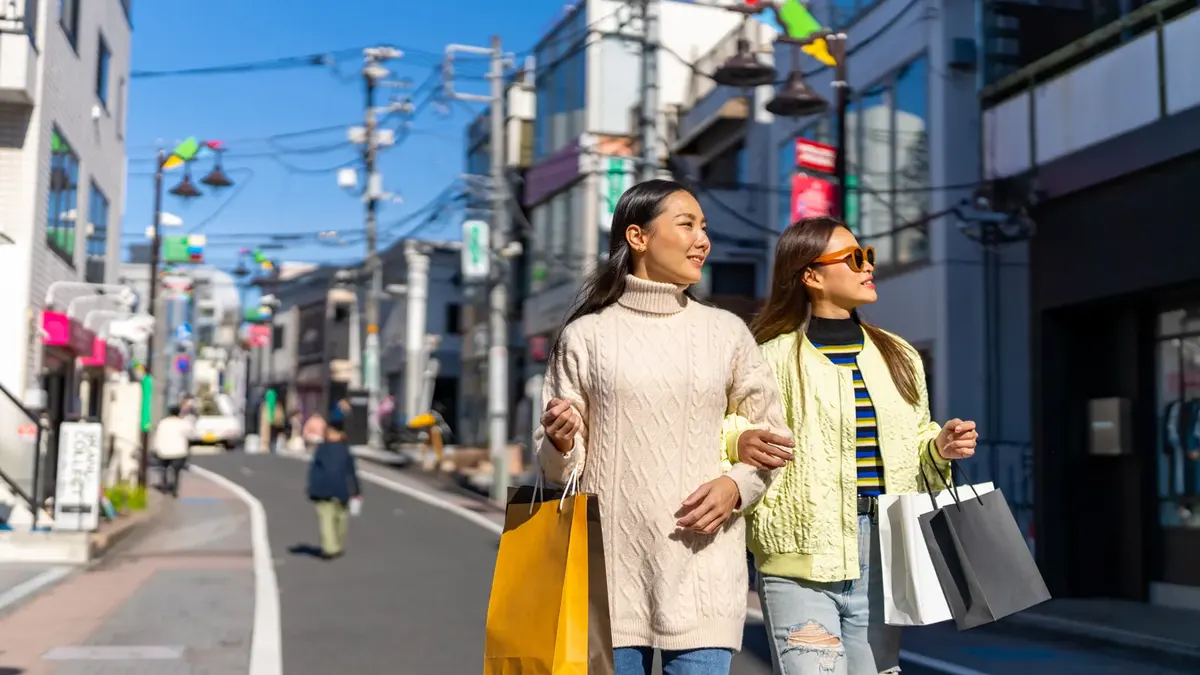
Friends carrying shopping bags on a city street in Tokyo.
Why Does This Matter for Group Bookings?
The rooms did not empty out. Fewer Chinese visitors were replaced by other markets, and the people who came spent more. A full city is still a full city.
Short-haul markets fill the same flights you need. Taiwan and Korea travel often and at short notice. They take seats into Tokyo, Osaka, Fukuoka and Sapporo, and they take the mid-range hotels groups like.
Peak weeks stay hard. Cherry blossom, Golden Week and the autumn leaf season are still the weeks we hold first. Ask us for space as soon as the client has dates.
Quote the right number. If you use these figures in a client proposal, say that they are a first estimate. We update our notes when the revised figures come out.
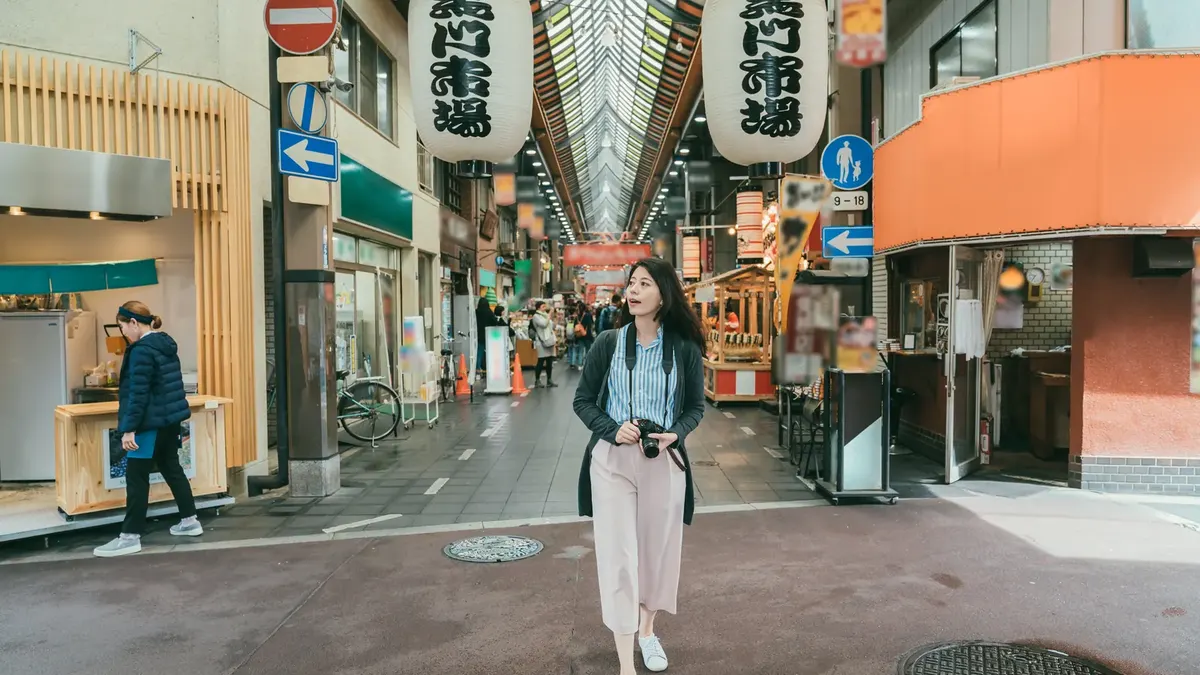
A visitor walking through a traditional market street in Japan.
Frequently Asked Questions
How much did visitors spend in Japan in July–September 2026?
¥2.2076 trillion, up 3.2% on a year earlier. This is the Japan Tourism Agency's first estimate, published on 21 October 2026.
Which market spent the most?
Taiwan, with ¥381.8 billion, or 17.3% of the total. China was second and Korea third.
Why did spending go up when arrivals went down?
Each visitor spent about 6.1% more, and markets such as Taiwan and Korea grew strongly enough to make up for fewer visitors from China.
Does this make Japan easier to book for groups?
Not much. Hotels in the main cities are still busy, especially in peak weeks. Explera's Japan team holds space early and confirms rooms with each hotel directly.