New ZealandWildlifeConservationGroupsB2BTravel Agents
The Kākāpō Record Breeding Season: A Note for Agents
25 October 2026 · Explera DMC · 2 min read
The short answer
The kākāpō record breeding season added 90 chicks, and on 1 September 2026 New Zealand's Department of Conservation put the population at 325, a recovery-era high. No one can visit a kākāpō: DOC says there is currently no public viewing anywhere. Explera DMC builds New Zealand wildlife days around birds clients can actually see.
Every time the kākāpō is in the news, the same email lands on our desk a week later: can the group see one? The answer is no, and it helps to give it before the client books, not on the day. Our New Zealand team has written the full kākāpō briefing. This note is for agencies that sell New Zealand next to other destinations, and it covers what the kākāpō record breeding season means for a group programme.
What Happened in the Kākāpō Record Breeding Season?
The count. On 1 September 2026 DOC added 90 chicks from the 2026 season to the official population, which reached 325.
Why it matters. DOC called it a record season. The previous one was four years earlier, and DOC thinks the population last passed 300 around 75 years ago.
Where they live. The birds breed on three predator-free islands: Whenua Hou / Codfish Island, Pukenui / Anchor Island and Te Kāhaku / Chalky Island.
What comes next. DOC's early modelling suggests the next breeding season could come in 2028.
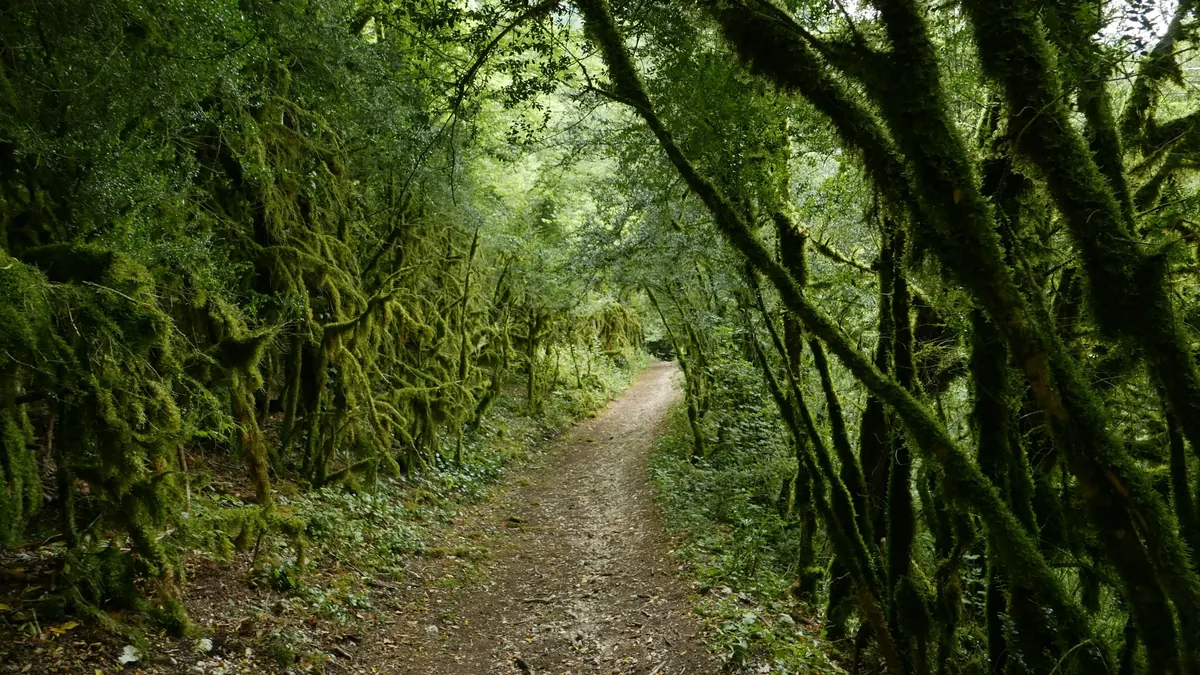
A track through moss-hung forest
Can a Group See a Kākāpō?
No. DOC says there is currently no place where the public can visit or view kākāpō in person. Put that in the pre-departure notes, in plain words. A guide who has to say it on a nature walk, to a client who flew a long way hoping, is having a bad day that you could have prevented.
The story is still worth using. A flightless parrot that came back from 51 birds in 1995 is a good thing for a guide to talk about, and clients remember it.
What Should We Sell Instead?
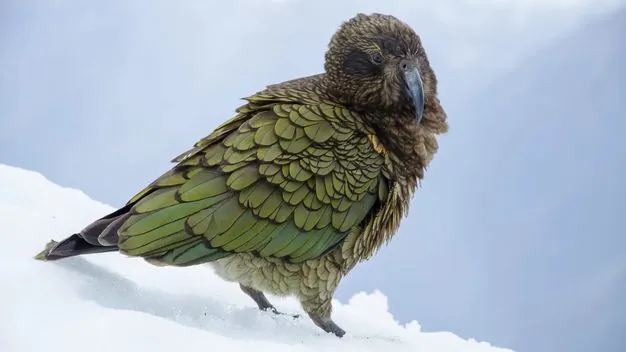
Birds clients can actually see. Predator-free sanctuaries give close views of other native species, and Stewart Island suits small groups who want birdlife and a remote island. Kea, the mountain parrot, live in the South Island high country. Clients should never feed them. Our New Zealand wildlife seasons guide and kiwi viewing guide cover timing and places.
Frequently Asked Questions
How many kākāpō are there now?
DOC put the official population at 325 on 1 September 2026, after adding 90 chicks from the 2026 season.
Can tourists visit kākāpō anywhere?
No. DOC says there is currently no place where the public can visit or view kākāpō in person.
When is the next kākāpō breeding season?
DOC's early modelling suggests it could be in 2028.
What wildlife can a New Zealand group see instead?
Native birds in predator-free sanctuaries, birdlife on Stewart Island, kea in the South Island mountains and kiwi at the right sites.