Tsuruoka, on the Shonai coast of Yamagata, became Japan's first UNESCO Creative City of Gastronomy in 2014. Explera DMC's Japan team sells a Tsuruoka food tour for groups as a two-night regional add-on for clients who have already seen Tokyo and Kyoto, built around local produce, pilgrim cuisine and small restaurants.
A Tsuruoka food tour for groups answers a question agents hear more often each year: where should a client go on a second or third trip to Japan? Tsuruoka gives a food-led reason to leave the main corridor, and it comes with an official label clients recognise. Our Japan team has written up the destination in its note on Tsuruoka and Shonai; this page looks at it from the side of an agent building the programme.
Why Is Tsuruoka a City of Gastronomy?
The title. In 2014 Tsuruoka became the first Japanese city to join the UNESCO Creative Cities Network for gastronomy.
The basis. The city's case rested on food culture handed down through farming, fishing and religion, including heirloom crops grown almost nowhere else.
The chef story. A Travel Voice column in October 2026 retold how chef Masayuki Okuda came home to Tsuruoka and opened his restaurant Al-ché-cciano in 2000, cooking with Shonai's own vegetables and seafood. Media attention followed, and young producers and chefs returned to the area.
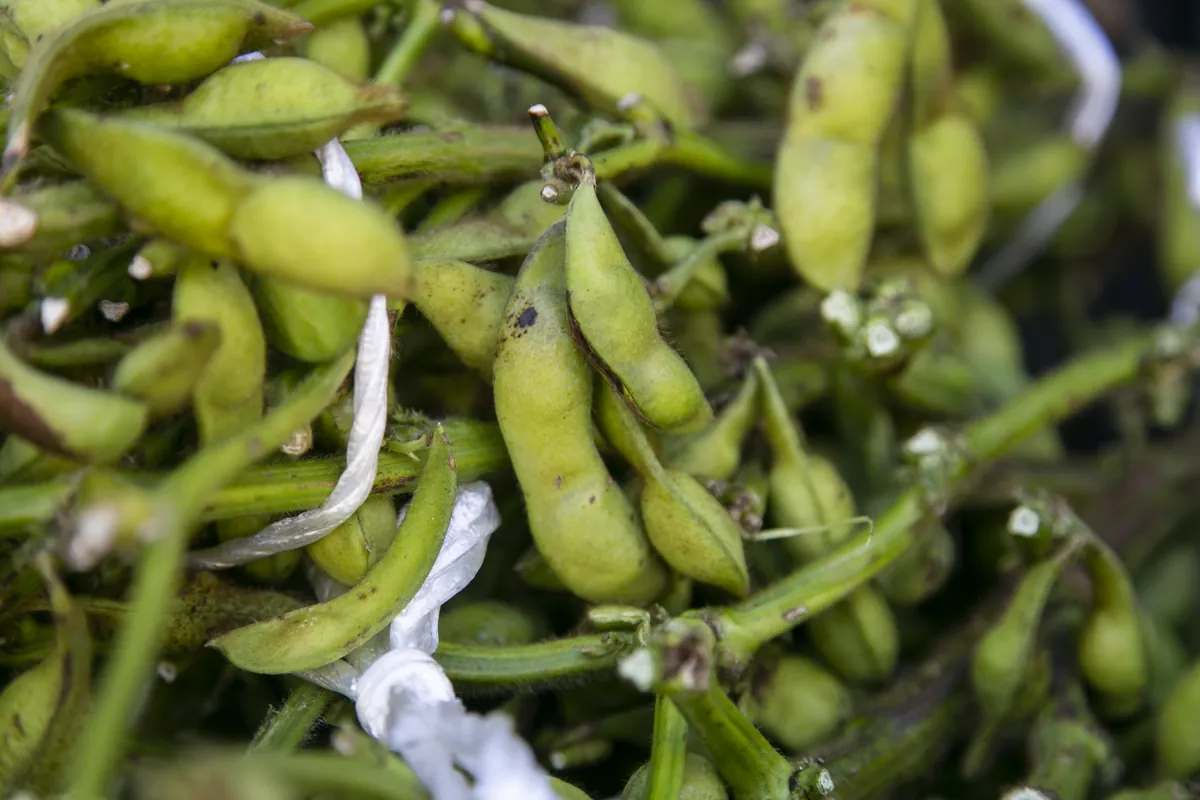
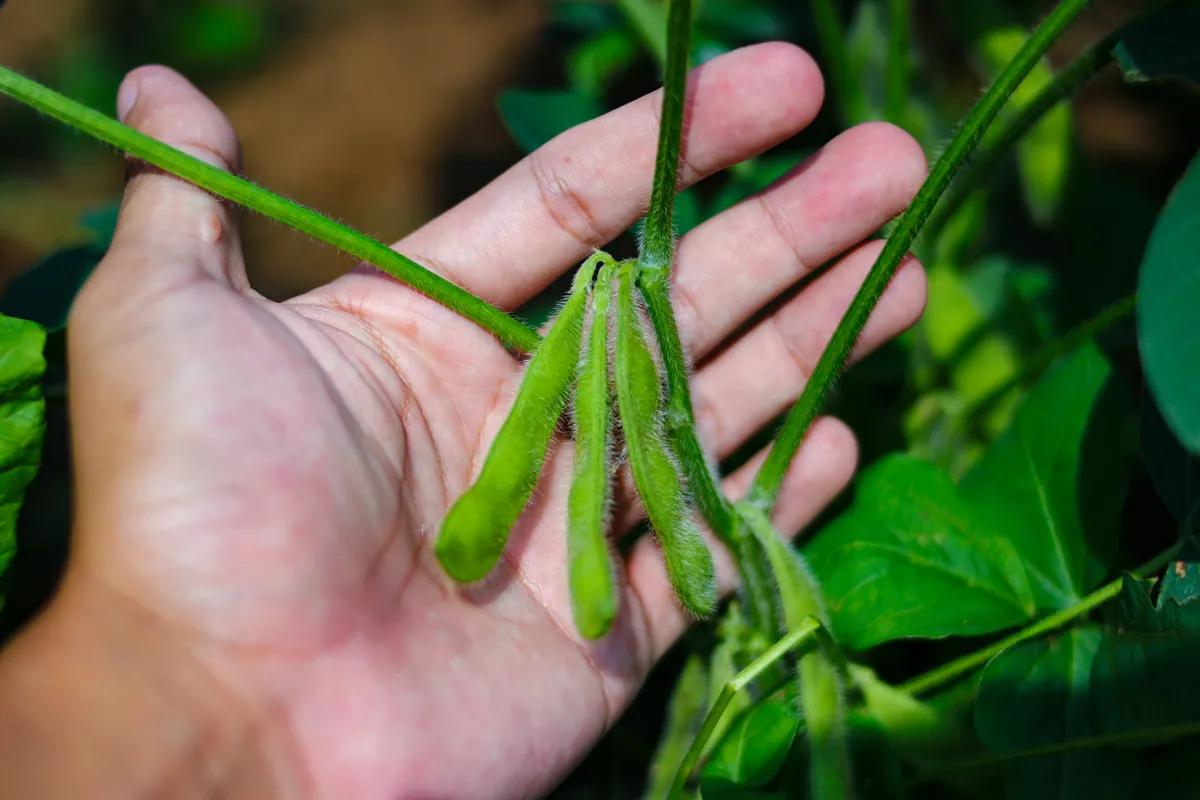
Edamame pods still on the plant, held in an open hand: heirloom beans like these are at the centre of Shonai's food story.
Which Clients Is It For?
Repeat visitors. Clients who have done Tokyo and Kyoto and want a region with a clear theme.
Food and wine groups. Clubs and incentive groups that choose trips around meals, markets and producers.
Vegetarian travellers. The shojin ryori served at pilgrim lodgings on the Dewa Sanzan mountains is vegetarian, which helps groups with mixed diets.
Not for big coach groups. Many of the best restaurants are small, so groups of more than about twenty often split for meals.
How Does It Fit Into a Japan Itinerary?
Two nights as a minimum. That leaves time for a restaurant meal, a farm or market visit and a morning on Mount Haguro.
Access. Shonai Airport has flights from Tokyo Haneda, and Tsuruoka can also be reached by rail via Niigata. We plan the transfer around group size and luggage.
Season. The local dadacha-mame edamame comes in late summer, the rice harvest is in autumn, and winter brings snow and cold-season fish.
Add-ons. Local sake breweries and the hot springs at Yunohama and Atsumi round off the stay.
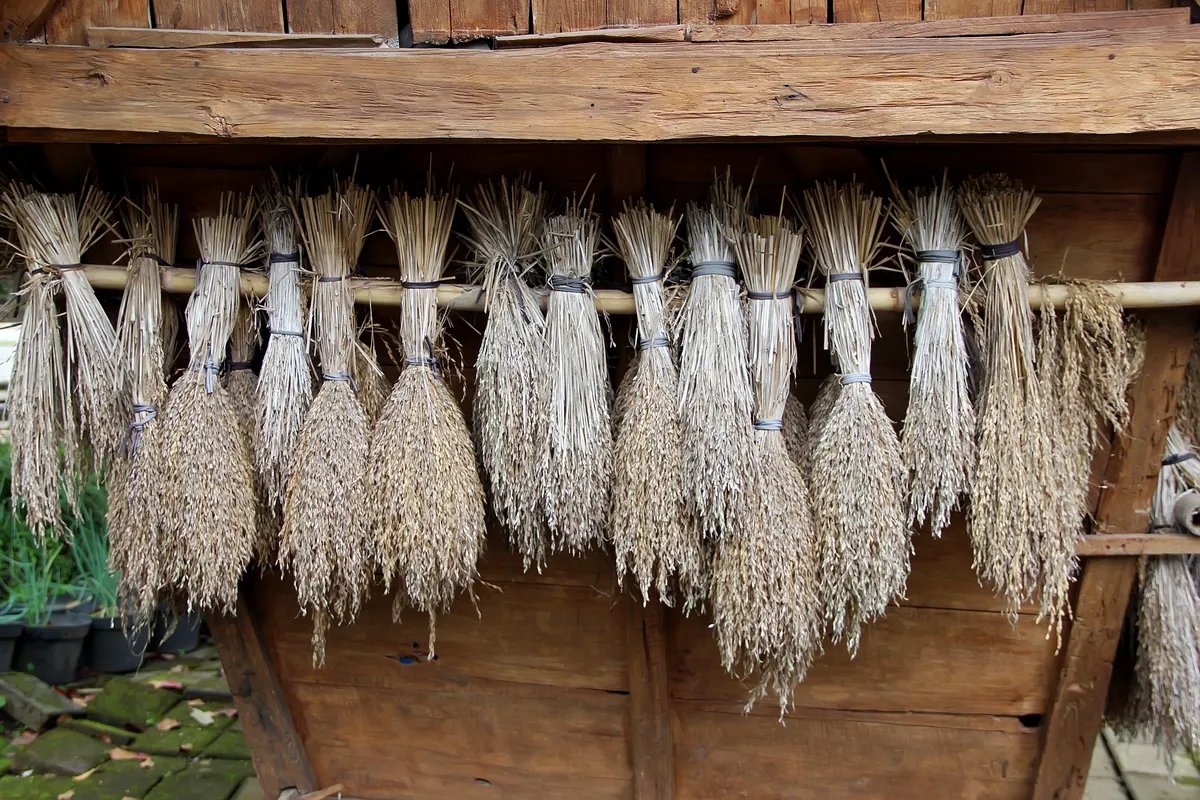
Bundles of harvested rice hanging up to dry: autumn is harvest season on the Shonai plain.
Frequently Asked Questions
When did Tsuruoka become a UNESCO City of Gastronomy?
In 2014. It was the first Japanese city to join the UNESCO Creative Cities Network in the gastronomy field.
How long should a group stay in Tsuruoka?
Two nights at least. One night does not leave time for a restaurant meal, a producer visit and Dewa Sanzan without rushing.
How large can a food group be?
We plan most meals for groups of up to about twenty. Larger groups split across two restaurants or two sittings, because many of the best places are small.
Can Tsuruoka work for vegetarian clients?
Yes. Shojin ryori at the pilgrim lodgings of Dewa Sanzan is vegetarian, and we confirm restaurant menus in advance for every group.
Our Japan team plans regional food programmes for groups, books small restaurants for the group's size, arranges interpreters for farm and market visits, and checks dietary needs with each supplier in Japanese.
Write to b2b@explera.jp or message +66 93 656 8090 on WhatsApp. Explera DMC is IATA TIDS-registered (96215733) and an ASTA member (900408341).