New Zealand's Tourism Policy: What It Means for Agents
18 October 2026 · Explera DMC · 3 min read
The short answer
New Zealand released its first Tourism Policy Statement on 25 June 2026, aiming to double the 2023 value of tourism exports by 2034. A $5 million regional campaign fund now targets Australia, China and North America. Explera DMC reads it as a reason to add regions and shoulder-season dates to New Zealand group programmes.
New Zealand has set out, for the first time, how government and industry will steer tourism over the next decade. It does not change any entry rule. It does change where the promotion goes, and that is useful for agencies building group programmes. Our New Zealand team has the details in its Tourism Policy Statement notes. This page is the short version for agents who sell several of our destinations.
What Did New Zealand Announce?
A first national Tourism Policy Statement. Released on 25 June 2026 by Louise Upston, Minister for Tourism and Hospitality, it sets how central government, local government and industry agree priorities and respond to change.
A long-term target. The goal is to double the 2023 value of tourism exports by 2034. The Government calls tourism the country's second largest export earner.
A regional marketing fund. Round three of the Regional Tourism Boost puts $5 million into campaigns that bring international visitors to the regions from spring 2026 to early summer 2027.
Three priority markets. Australia, China and North America.
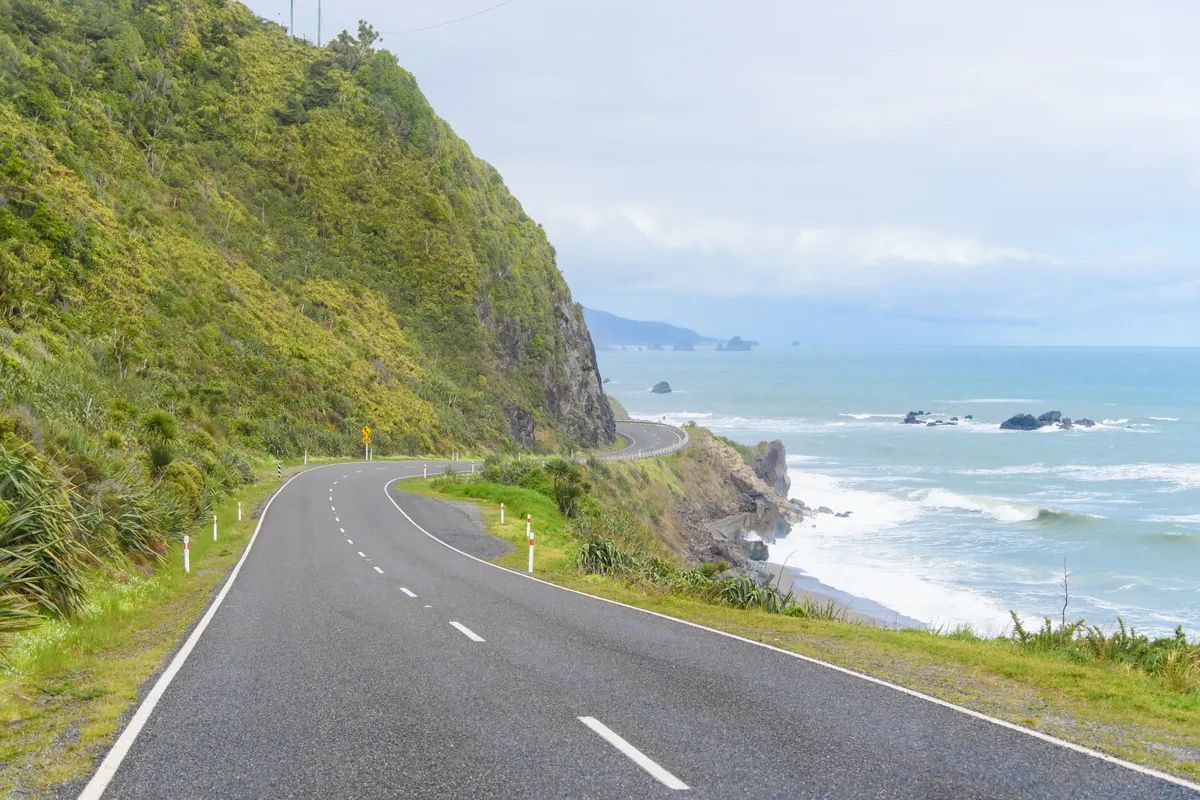
A coastal road winding between green cliffs and the sea on New Zealand's South Island
Which Campaigns Were Funded?
On 7 September 2026 the Government announced six international marketing campaigns under round three. Two show the direction clearly:
A North Island food campaign for Chinese visitors, led by RotoruaNZ with partners including Tātaki Auckland Unlimited and WellingtonNZ.
A self-drive wine and food trail for Australian visitors, led by WellingtonNZ with Hawke's Bay, Wairarapa and Marlborough partners.
The money is $2 million from the International Visitor Levy and $3 million moved from the Major Events and Tourism Package announced in September 2025.
What Does It Mean for Group Programmes?
Regions are being promoted. Clients in the three priority markets will see more of the regions beyond Auckland, Rotorua and Queenstown. A programme that adds one of them is easier to sell.
Food and wine are the hook. Both example campaigns are built on food. A winery lunch or a regional food day fits the message clients are already seeing.
Shoulder seasons help groups. The policy aims to spread visitors outside the peaks. Spring and autumn dates usually give groups more room choice.
Entry rules are unchanged. Visa, NZeTA and levy settings stay as they were, so client documents do not change.
A laptop showing a spreadsheet beside printed papers on a desk
Frequently Asked Questions
When was New Zealand's Tourism Policy Statement released?
On 25 June 2026, by Louise Upston, Minister for Tourism and Hospitality. It is the country's first national Tourism Policy Statement.
What is its main target?
To double the 2023 value of New Zealand's tourism exports by 2034.
Which markets does the regional fund focus on?
Round three of the Regional Tourism Boost focuses on Australia, China and North America, with $5 million for campaigns from spring 2026 to early summer 2027.
Does the statement change visa or NZeTA rules?
No. It sets direction for policy, investment and marketing. Visa, NZeTA and levy settings are unchanged.
Our New Zealand team plans regional and shoulder-season group programmes at net rates for travel agents, tour operators and MICE planners, and we combine New Zealand with programmes in our other destinations.
Write to b2b@explera.co.nz or message +66 93 656 8090 on WhatsApp. Explera DMC is IATA TIDS-registered (96215733) and an ASTA member (900408341).